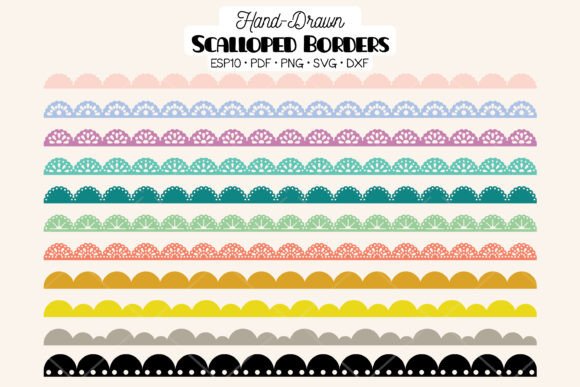
Mastering the Scalloped Border Colored Lace Divider for Professional Design Workflows
In the realm of digital design and physical crafting, the distinction between a good project and a polished one often lies in the details. Borders, dividers, and decorative elements serve as the visual punctuation of any layout, guiding the eye and establishing hierarchy. The Scalloped Border Colored Lace Divider represents a versatile asset class that bridges the gap between traditional aesthetic charm and modern digital efficiency. For professionals, entrepreneurs, and hobbyists alike, integrating these assets into a streamlined workflow can significantly reduce production time while elevating the perceived value of the final output.
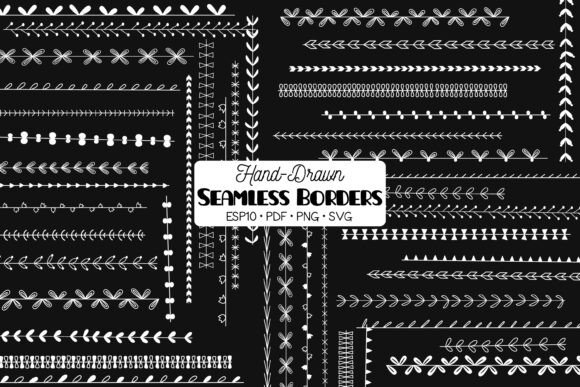
This comprehensive collection, featuring hand-drawn seamless scalloped borders and lace trims in 36 color combinations, offers more than just decorative clip art. It provides a robust library of 396 individual assets designed to fit seamlessly into various creative pipelines. Whether you are designing wedding invitations, creating printable educational materials, or developing branding assets for a small business, understanding how to effectively deploy these resources is key to maximizing their utility.
Strategic Integration into Design Processes
The implementation of a Scalloped Border Colored Lace Divider should not be an afterthought. Instead, it should be considered during the initial planning phase of your project. When approaching a new design task, whether digital or print-based, consider the structural role these elements will play. They are not merely ornamental; they function as containers for content, separators for information, and framing devices for focal points.
For marketers and bloggers, these borders can define sections within long-form content, breaking up text walls and improving readability. In this context, the divider acts as a visual breath, allowing the reader to process information before moving to the next segment. For educators and publishers, these elements can frame worksheets, certificates, or chapter headers, adding a layer of professionalism and warmth that standard geometric lines often lack.
The versatility of the file formats included in this set ensures compatibility with nearly every standard design tool. By preparing your workspace with these assets beforehand, you eliminate the friction of searching for suitable graphics mid-project. This preparation phase is crucial for maintaining momentum and ensuring consistency across multiple deliverables.
Leveraging File Formats for Maximum Efficiency
A critical aspect of utilizing digital assets effectively is understanding the technical specifications and choosing the right format for the specific task at hand. This collection provides a diverse array of file types, each serving a distinct purpose in the production workflow.
- PNG Files (300 DPI): With 396 high-resolution PNG files featuring transparent backgrounds, you have immediate access to raster images suitable for direct insertion into documents, presentations, and web designs. The 300 DPI resolution ensures that when these images are printed, they remain crisp and free of pixelation. This is ideal for quick implementations in software like Microsoft Word, Canva, or PowerPoint where vector editing capabilities may be limited.
- SVG Files: The inclusion of 396 Scalable Vector Graphics files is a significant advantage for professional designers. SVGs allow for infinite scaling without loss of quality, making them perfect for large-format prints such as banners or wall art. Furthermore, SVGs can be easily manipulated in vector-based software, allowing you to change colors, adjust stroke widths, or modify shapes to better align with specific brand guidelines.
- DXF and EPS Files: For those utilizing die-cut machines like Cricut or Silhouette, the 11 DXF files are essential. These formats translate directly into cut paths, enabling the creation of physical stickers, decals, and intricate paper crafts. The single EPS file provides further flexibility for users working in Adobe Illustrator or other professional vector editing suites, allowing for deep customization of the lace patterns.
- PDF and Index Files: The included PDF serves as an editable reference, while the Index file helps navigate the extensive library efficiently. Proper organization using these reference tools prevents time wasted searching through hundreds of files, streamlining the selection process.
Application Across Creative Industries
The utility of the Scalloped Border Colored Lace Divider extends across various industries and creative pursuits. Its adaptability allows it to serve different functions depending on the end goal of the project.
Small Business and E-Commerce
For small business owners, particularly those in the handmade or boutique sectors, packaging and presentation are paramount. These lace dividers can be incorporated into thank-you cards, product labels, and social media graphics. By using the SVG files, entrepreneurs can create custom-branded packaging inserts that are cut precisely using their die-cut machines. This level of customization enhances the unboxing experience, fostering customer loyalty and perceived value.
Event Planning and Stationery
In the wedding and event industry, consistency and elegance are key. The 36 color combinations allow designers to match specific theme palettes without needing to recolor assets manually. These borders can frame menu cards, seat assignments, and invitations. The seamless nature of the hand-drawn borders means they can be tiled to create continuous patterns for background textures, adding depth to stationary sets without overwhelming the textual information.
Digital Content and Web Design
Web designers and bloggers can utilize the PNG files to add visual interest to website headers, footers, and sidebar widgets. The transparent background ensures that these elements blend seamlessly with any website theme. Additionally, these dividers can be used in email marketing campaigns to separate sections of newsletters, improving scanability and engagement rates. The lightweight nature of SVGs also makes them suitable for web use, ensuring fast load times while maintaining visual fidelity on retina displays.
Best Practices for Implementation and Quality Control
To ensure the highest quality outcomes, several best practices should be observed when integrating these assets into your workflow.
Color Consistency: While the set offers 36 pre-colored options, it is advisable to establish a consistent color palette for your project before selecting specific borders. Use the SVG or EPS files to adjust hues if necessary, ensuring that the lace complements rather than clashes with your primary design elements. Consistency in color usage reinforces brand identity and visual harmony.
Resolution Management: Always verify the resolution requirements of your output medium. For digital-only use, screen resolution (72 DPI) may suffice, but for any physical print, strictly adhere to the 300 DPI standard provided by the PNG files. Upscaling low-resolution images results in poor quality, so starting with the correct asset type is crucial.
Layering and Composition: When using these dividers, consider the hierarchy of your design. The lace should support the content, not compete with it. Use opacity adjustments or blending modes in your design software to soften the impact of the border if it feels too dominant. Proper layering ensures that text remains legible and focal points stand out.
Organization and Asset Management: With 396 clip arts, file management can become cumbersome. Utilize the provided Index file to categorize assets by color or style. Create a localized library or folder structure that mirrors your most frequent use cases. This proactive organization saves significant time during high-pressure deadlines.
Long-Term Value and Versatility
Investing in a comprehensive library like this Scalloped Border Colored Lace Divider set offers long-term value. Unlike trend-specific graphics, lace and scalloped borders possess a timeless quality that remains relevant across seasons and design trends. Their hand-drawn nature adds a human touch that resonates with audiences seeking authenticity and warmth.
Furthermore, the ability to use these assets across both digital and physical mediums provides a cohesive brand experience. A logo framed by a specific lace pattern on a website can be mirrored on a physical business card or product tag, creating a unified brand identity. This cross-platform consistency is essential for building recognition and trust.
In conclusion, the effective use of these digital clip arts requires a strategic approach to integration, format selection, and design composition. By understanding the technical capabilities of the provided files and aligning them with your specific workflow needs, you can enhance the quality and efficiency of your creative projects. Whether you are a seasoned designer or a DIY enthusiast, these tools offer the flexibility and precision needed to bring unique visions to life.