Gold Brush Stroke Paint Spot: A Practical Guide to Texture, Application, and Design Fit
In the evolving landscape of interior design and digital artistry, texture has become a primary driver of visual interest. Among the various techniques used to introduce warmth and luxury into a space or composition, the gold brush stroke paint spot stands out as a distinctive element. Unlike uniform metallic finishes or flat gold leaf applications, this technique relies on the organic imperfection of the hand-painted mark. It captures the movement of the brush, the viscosity of the medium, and the interplay of light against raised surfaces. For designers, artists, and homeowners evaluating aesthetic upgrades, understanding the nuances of this specific style is essential for making informed decisions about where and how to apply it.
Defining the Aesthetic: What Sets It Apart
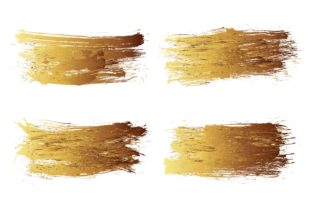
A gold brush stroke paint spot is not merely a splash of color; it is a study in controlled chaos. The term refers to isolated or clustered marks of metallic pigment applied with a brush, leaving visible bristle tracks and varying thicknesses. This distinguishes it from several other popular gold finishes. For instance, gold foil or leaf provides a smooth, continuous, and highly reflective surface that mimics solid metal. In contrast, the brush stroke approach emphasizes the human touch. The "spot" aspect implies a focal point—a deliberate interruption in a neutral field that draws the eye without overwhelming the surrounding context.
The distinctiveness lies in its dimensionality. Because paint has volume, especially when using heavy-body acrylics or oil-based metallics, these strokes cast micro-shadows. This creates a dynamic visual experience that changes depending on the viewer’s angle and the ambient lighting. When comparing this to digital prints or vinyl decals that simulate gold, the physical depth of a genuine gold brush stroke paint spot offers a tactile quality that flat reproductions cannot match. This authenticity is often the deciding factor for high-end residential projects or bespoke artistic commissions where perceived value is tied to craftsmanship.
Evaluating Alternatives: When to Choose Brush Strokes Over Other Finishes
Choosing the right metallic accent requires weighing the benefits of brush strokes against other common alternatives. Each option serves different functional and aesthetic goals.
- Gold Leafing: Ideal for covering large, flat areas with a seamless, antique, or ultra-luxurious look. However, it is fragile, expensive, and requires significant maintenance. A gold brush stroke paint spot is more durable and forgiving, making it better suited for high-traffic areas or modern minimalist designs where perfection is not the goal.
- Metallic Wallpaper: Offers consistency and ease of installation. Yet, it lacks uniqueness. Every roll is identical. Brush strokes are inherently one-of-a-kind, providing a custom feel that mass-produced wallpapers cannot replicate.
- Spray-Painted Metallic Accents: These provide a smooth, industrial finish. While efficient, they often lack the organic warmth and textural variation of a hand-applied stroke. Spray finishes can appear cold or mechanical, whereas brush strokes retain an artistic, curated energy.
The decision often comes down to the desired level of formality. If the goal is opulence and symmetry, traditional gilding may be superior. If the objective is contemporary elegance with a hint of raw creativity, the gold brush stroke paint spot is the more appropriate choice. It bridges the gap between fine art and interior decor, allowing for a sophisticated yet relaxed atmosphere.
Practical Applications and Best-Fit Scenarios
Understanding where this technique thrives helps in planning effective design strategies. The versatility of the gold brush stroke paint spot allows it to function in diverse environments, from corporate lobbies to private bedrooms.
Accent Walls and Feature Panels
One of the most common uses is on accent walls. Rather than painting an entire wall gold, which can feel oppressive, applying scattered brush strokes against a matte neutral background—such as charcoal, navy, or crisp white—creates depth. The contrast highlights the metallic sheen while keeping the space grounded. This approach is particularly effective in modern living rooms where the wall serves as a backdrop for artwork or furniture.
Furniture and Decor Upcycling
For those exploring DIY renovations or bespoke furniture design, adding gold spots to cabinet doors, table legs, or mirror frames can elevate inexpensive pieces. The irregular nature of the brush stroke hides minor surface imperfections better than a solid coat of paint would. This makes it a practical choice for refurbishing vintage items where a pristine factory finish is unattainable.
Digital and Graphic Design Contexts
Beyond physical spaces, the concept translates into digital media. Graphic designers often use gold brush stroke paint spot elements in branding, wedding invitations, and packaging. In these contexts, the texture adds a premium feel to printed materials. However, designers must ensure high-resolution scans or vector simulations to maintain the integrity of the brush texture when scaled.
Limitations and Considerations for Implementation
While aesthetically pleasing, this technique is not without its challenges. Recognizing these limitations is crucial for realistic expectations.
Lighting Dependency: The impact of a gold brush stroke is heavily dependent on lighting. In dimly lit rooms, the metallic effect may disappear, leaving behind what looks like muddy brown or gray smudges. Adequate directional lighting, such as track lights or sconces, is necessary to make the gold pop. Without proper illumination, the texture fails to achieve its intended luminosity.
Skill Requirement: Achieving a natural-looking stroke requires practice. Amateur attempts can result in clumpy, uneven applications that look messy rather than artistic. The viscosity of the paint must be balanced; too thin, and it runs; too thick, and it loses the fluid elegance of the brush mark. For large-scale projects, hiring a professional artist or faux finisher may be necessary to ensure consistency and quality.
Color Coordination: Gold is a warm tone. It pairs best with other warm neutrals, deep jewel tones, or stark whites. It can clash with cool grays or certain blues if not carefully selected. The specific shade of gold—whether rose, champagne, or classic yellow-gold—must complement the existing palette. A mismatched tone can make the gold brush stroke paint spot look disjointed from the rest of the design.
Making the Decision: Is This Style Right for You?
To determine if this approach aligns with your project, consider the following factors:
- Budget vs. Impact: Compared to full gold leafing, brush strokes are cost-effective. They use less material and labor while still delivering a high-impact visual. If you are working with a moderate budget but desire a luxury feel, this is a strong candidate.
- Maintenance Preferences: Painted gold is generally easier to clean and maintain than delicate gold leaf. If the surface is subject to occasional contact or cleaning, a sealed paint finish is more practical.
- Design Philosophy: Do you prefer perfection or character? If you value wabi-sabi—the appreciation of imperfection and transience—this style fits perfectly. If you prefer sleek, uniform, and modern industrial lines, a solid metallic laminate or spray finish might be more aligned with your vision.
Ultimately, the gold brush stroke paint spot offers a unique blend of accessibility and sophistication. It allows for personal expression through texture and light, providing a flexible solution for those looking to add a touch of elegance without the rigidity of traditional metallic finishes. By carefully evaluating lighting, skill levels, and complementary colors, users can leverage this technique to create spaces that feel both curated and inviting.
For those still uncertain, starting with a small test area or a single decorative object is recommended. This low-risk approach allows for experimentation with paint viscosity and brush types, ensuring that the final application meets both aesthetic and practical standards. Whether used in a grand foyer or a subtle graphic element, the thoughtful application of gold brush strokes remains a timeless method for enhancing visual depth and warmth.