Unlocking Creative Potential with Versatile Brushes in SVG, PNG, and JPG Formats
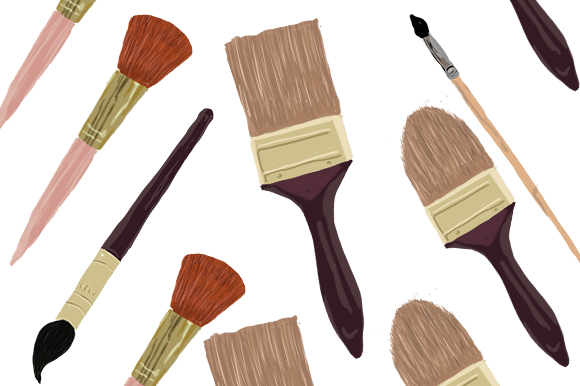
In the rapidly evolving world of digital design and physical crafting, the tools we choose can make or break a project. Among the most versatile assets available to modern creators are digital Brushes. These aren't just simple lines or shapes; they are intricate, high-quality graphic elements designed to mimic the texture, flow, and organic feel of traditional media. Whether you are a seasoned graphic designer, a small business owner creating marketing materials, or a hobbyist diving into the world of vinyl cutting, understanding how to leverage these assets is crucial. The availability of these brushes in multiple formats—specifically SVG, PNG, and JPG—opens up a universe of possibilities that bridge the gap between digital precision and tactile artistry.
The Power of Multi-Format Flexibility
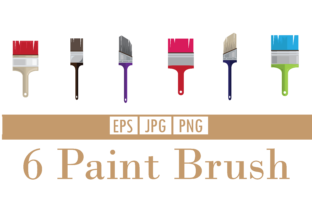
One of the standout features of this particular collection of brushes is the inclusion of three distinct file types: SVG, PNG, and JPG. For those new to digital design, this might seem like a minor detail, but in practice, it is a game-changer. Each format serves a specific purpose, allowing you to adapt the same artistic element to vastly different workflows.
The SVG (Scalable Vector Graphics) format is the holy grail for anyone working with cutting machines like Cricut or Silhouette. Because SVGs are vector-based, they rely on mathematical paths rather than pixels. This means you can scale a brush stroke from the size of a postage stamp to the size of a billboard without losing any quality or experiencing pixelation. For vinyl crafters, this is essential. When you send an SVG to your cutting software, the machine reads the precise path of the brush stroke, ensuring clean, sharp cuts every time. There is no guesswork, no blurry edges, and no wasted material due to poor resolution.
On the other hand, PNG files offer transparency, which is invaluable for digital compositing. If you are designing a logo, a social media post, or a website header, you can layer a textured brush stroke over a photo or a colored background without worrying about a white box appearing around the edges. The transparent background allows the brush to blend seamlessly into your existing design, adding depth and character instantly.
Finally, the inclusion of JPG formats ensures compatibility with older software or platforms that may not support transparency or vectors. While less flexible than SVGs or PNGs, JPGs are universally recognized and perfect for quick previews, mood boards, or projects where file size and broad compatibility are prioritized over layering capabilities.
Real-World Applications for Vinyl Enthusiasts
For the vinyl crafting community, these brushes are not just decorative; they are functional tools that elevate standard projects into professional-grade creations. Consider the popular trend of personalized home decor. A plain tumbler or a smooth laptop surface can look sterile. By applying a vinyl decal made from a textured brush stroke, you introduce an element of organic warmth. Imagine a water bottle adorned with a sweeping, paint-like stroke in a matte gold vinyl, paired with a minimalist name in a sans-serif font. The contrast between the rigid typography and the fluid brush creates a visually striking composition that looks custom-made rather than store-bought.
Another practical scenario involves wall decals and nursery decor. Parents often seek unique, non-repetitive designs for their children's rooms. Using these brushes, you can create large-scale murals that mimic hand-painted accents. Because the files are scalable SVGs, you can adjust the size to fit any wall dimension perfectly. Whether it’s a subtle splash of color behind a crib or a bold statement piece in a playroom, the ability to manipulate the brush strokes allows for complete customization. The "perfect for making vinyls" aspect shines here because the clean vector paths ensure that even intricate, tapered ends of a brush stroke cut cleanly, preventing the dreaded "weeding" nightmares where tiny pieces stick to the backing paper.
Enhancing Digital Branding and Social Media Presence
Beyond physical crafts, these brushes play a significant role in digital branding. In an era where social media feeds are saturated with polished, corporate imagery, audiences are craving authenticity. Textured brushes provide that human touch. Small business owners can use PNG versions of these brushes to create eye-catching Instagram stories or Pinterest pins. A simple product photo can be transformed into a dynamic advertisement by overlaying a vibrant brush stroke behind the item, drawing the viewer’s eye and adding energy to the static image.
Web designers also benefit greatly from these assets. Instead of using generic, stock-photo backgrounds, designers can incorporate subtle brush textures to break up sections of a webpage. This adds visual interest without overwhelming the content. The key is moderation; a single, well-placed brush stroke can guide the user’s attention to a call-to-action button or highlight a testimonial. The versatility of having both vector and raster formats means these elements can be used in everything from high-resolution hero images to lightweight icons.
Considerations for Choosing and Applying Brushes
While the benefits are clear, there are practical considerations to keep in mind when selecting and using these brushes. First, consider the complexity of the design. Highly detailed brush strokes with many overlapping layers may look stunning on screen but can be challenging to weed when cut from vinyl. For beginners, it is often wise to start with simpler, bolder strokes that have clear, continuous paths. As you gain confidence with your cutting machine and weeding tools, you can experiment with more intricate designs.
Second, think about the material you are using. Not all vinyls behave the same way. Glossy vinyls tend to hide minor imperfections in cuts, while matte or metallic vinyls can highlight them. When using these brushes for vinyl projects, always perform a test cut on a small scrap piece of your chosen material. This allows you to adjust the pressure and speed settings on your machine to ensure the brush’s delicate edges are cut precisely.
Additionally, be mindful of color contrast. A brush stroke that looks dramatic against a white background might disappear against a dark one. When using PNGs for digital design, play with blending modes in your software to see how the texture interacts with underlying colors. For vinyl, consider using transfer tape effectively to lift complex brush shapes without tearing them. High-tack transfer tape is often recommended for intricate brush designs to ensure every part of the stroke adheres to the final surface.
Catering to Diverse Creative Audiences
The appeal of these brushes extends across various industries and skill levels. For educators, they can be used to create engaging classroom materials, such as colorful headers for worksheets or decorative borders for bulletin boards. The SVG format allows teachers to resize elements to fit any paper size, making resource creation efficient and cost-effective.
Event planners and wedding coordinators can utilize these assets to design cohesive invitation suites. A watercolor-style brush stroke in a soft pastel hue can serve as a background element for save-the-dates, menu cards, and place settings. The consistency provided by using the same digital asset across all printed materials ensures a professional, unified look that impresses guests.
Even hobbyists who do not own cutting machines can find value in these files. The JPG and PNG formats are perfect for sublimation printing, iron-on transfers, or simply printing at home for scrapbooking and card-making. The accessibility of the files means that creativity is not gatekept by expensive equipment; anyone with a printer and a bit of imagination can bring these designs to life.
In conclusion, the integration of Brushes in SVG, PNG, and JPG formats into your creative toolkit offers unparalleled flexibility. Whether you are cutting vinyl for a small business, designing a digital ad campaign, or crafting personalized gifts, these assets provide the texture and authenticity that modern audiences crave. By understanding the strengths of each file format and considering the practical aspects of application, you can unlock new levels of creativity and efficiency in your projects. The key is to experiment, test, and let the organic nature of the brushes inspire your next great idea.