Crossed Paint Brushes Logo Ideas: Inspiration and Design Evaluation
In the visual identity landscape of creative industries, few symbols are as instantly recognizable as the crossed paint brushes. This classic motif serves as a cornerstone for Crossed Paint Brushes Logo Ideas. Inspir, offering a direct visual shorthand for artistry, craftsmanship, and manual skill. For designers, business owners, and brand strategists, evaluating this specific iconography requires more than just aesthetic appreciation; it demands an understanding of its historical weight, its communicative power, and its potential limitations in a modern digital context.
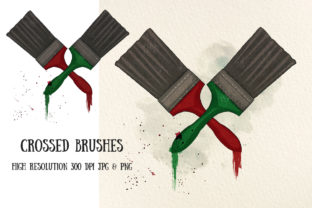
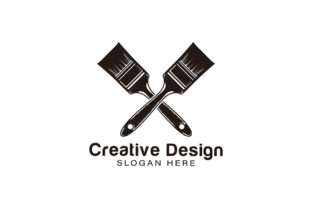
The concept behind Crossed Paint Brushes Logo Ideas. Inspir is rooted in simplicity and tradition. Typically depicted as two brushes intersecting at their handles or bristles, the design creates a balanced, symmetrical composition that is easy to reproduce and recognize. When presented as a template vector illustration isolated on a white background, these logos offer a clean slate for customization. However, the decision to adopt such a traditional symbol involves weighing the benefits of immediate recognition against the risks of genericism. This article explores the practical considerations of using crossed paint brushes in logo design, helping you determine if this approach aligns with your specific branding goals.
Understanding the Symbolism and Appeal
The primary reason individuals and businesses gravitate toward crossed paint brushes is their universal association with the arts. Whether for a house painting company, an fine art studio, a graphic design agency, or a craft supply store, the image communicates the core service without the need for text. This immediacy is a significant advantage in local marketing and quick visual identification.
Furthermore, the "crossed" configuration carries subtle connotations of partnership, balance, and completeness. In heraldry and traditional insignia, crossed tools often represent a guild or a collective of skilled workers. By adopting this layout, a brand can subtly signal professionalism, heritage, and a commitment to trade standards. The availability of these designs as vector illustrations ensures that the logo remains crisp and scalable, a technical necessity for applications ranging from business cards to large-format vehicle wraps.
Benefits of Using Crossed Brush Iconography
When evaluating Crossed Paint Brushes Logo Ideas. Inspir, several distinct benefits emerge for brands seeking clarity and tradition.
- Instant Industry Recognition: The most compelling argument for this design is its lack of ambiguity. Customers immediately understand that the business is related to painting or art. This reduces the cognitive load required to interpret the brand’s purpose.
- Versatility in Application: Because the shape is generally compact and symmetrical, it fits well into various formats, including social media avatars, website headers, and uniform embroidery. Vector templates isolated on white backgrounds allow for easy color extraction and integration into different brand palettes.
- Perception of Craftsmanship: The imagery evokes a sense of hands-on work. For service-based businesses like residential painters, this can reinforce the value of manual skill and attention to detail, distinguishing them from automated or impersonal competitors.
- Cost-Effective Design Process: Utilizing existing templates or inspiration from established motifs can reduce the time and cost associated with custom icon creation. This allows small businesses to allocate resources to other areas of brand development.
Tradeoffs and Potential Limitations
Despite its advantages, the crossed paint brush motif is not without its drawbacks. The very familiarity that makes it effective also contributes to its primary weakness: saturation. Because this symbol is widely used, standing out in a crowded market becomes challenging. A generic crossed-brush logo may fail to convey the unique personality or specific niche of a business.
Another consideration is the potential for perceived datedness. While traditional, the symbol can appear old-fashioned if not executed with modern design principles. Brands aiming for a cutting-edge, tech-forward, or minimalist aesthetic may find that literal tool imagery conflicts with their desired brand voice. Additionally, there is the risk of confusion between sectors. A fine art gallery and a house painting contractor might use similar icons, potentially leading to mixed signals about the nature of the services offered.
When Crossed Brushes Are a Strong Fit
Determining whether Crossed Paint Brushes Logo Ideas. Inspir is the right choice depends largely on the specific context of the business. This design approach is particularly effective in the following situations:
- Traditional Service Providers: Residential and commercial painting companies benefit from the trust and reliability associated with traditional trade symbols. Clients often seek stability and proven expertise, which this imagery supports.
- Community-Focused Brands: Local businesses that rely on word-of-mouth and community presence can leverage the familiar, approachable nature of the crossed brushes to foster a sense of neighborly reliability.
- Educational Institutions: Art schools, workshops, and community centers often use this motif to clearly denote their focus on creative learning and hands-on instruction.
- Heritage or Artisanal Brands: Companies that emphasize long-standing traditions, handmade quality, or classical techniques can use the symbol to reinforce their narrative of enduring craftsmanship.
When to Consider Alternatives
Conversely, there are scenarios where exploring alternative design directions may yield better results. If a brand’s primary differentiator is innovation, technology, or abstract creativity, a literal representation of tools may feel restrictive. For instance, a digital design agency might prefer abstract geometric shapes or typography-driven logos that suggest creativity without referencing physical media.
Additionally, if the market is highly saturated with competitors using similar iconography, differentiation becomes critical. In such cases, combining the brush motif with unique elements—such as a distinctive color palette, unconventional typography, or a secondary symbolic element—can help mitigate the risk of blending in. Alternatively, focusing on a monogram or a purely typographic logo might offer a more distinctive and ownable brand asset.
Practical Decision-Making Insights
To effectively evaluate Crossed Paint Brushes Logo Ideas. Inspir, consider the following practical steps during the design selection process:
First, analyze your competitive landscape. Search for local and national competitors in your niche. If the majority use crossed brushes, assess whether you can execute the concept with a unique twist. If not, consider whether a different symbol might offer greater distinctiveness.
Second, define your brand personality. Does your brand value tradition, reliability, and hands-on skill? Or does it prioritize innovation, speed, and digital fluency? Ensure the visual tone of the logo aligns with these core values. A rugged, textured brush icon suits a restoration company, while a sleek, minimal line-art version might better suit a modern interior design firm.
Third, test for scalability and versatility. Use the vector illustration to mock up the logo in various real-world applications. Check how it appears in single-color formats for stamping or embroidery. Ensure that the details of the bristles and handles remain clear at small sizes, such as on a mobile screen or a favicon.
Finally, consider the longevity of the design. Trends in logo design shift, but the crossed brush is a timeless staple. However, the style of execution matters. Avoid overly trendy effects like complex gradients or shadows that may date quickly. Instead, opt for clean lines and solid colors that will remain relevant and legible for years to come.
In conclusion, Crossed Paint Brushes Logo Ideas. Inspir offers a robust foundation for brands in the painting and artistic sectors. Its strength lies in its clarity and traditional appeal, but its effectiveness depends on thoughtful execution and strategic alignment with business goals. By carefully weighing the benefits of instant recognition against the need for differentiation, you can determine whether this classic motif is the right vehicle for your brand’s visual identity.