Tea and Coffee Halloween: Organic Design Ideas
Halloween design often leans heavily on the artificial. We see neon oranges, synthetic purples, and plastic textures that scream "holiday aisle." But there is a quieter, more sophisticated approach to seasonal creativity that relies on organic materials and natural tones. This is where the concept of Tea and Coffee Halloween comes into play. By utilizing dried tea leaves and roasted coffee beans, designers and creators can craft visuals that are earthy, textured, and deeply evocative of autumn’s harvest season.
The core appeal of this aesthetic lies in its tactile quality. Unlike flat digital graphics, arrangements made from actual botanicals offer depth and shadow. When placed on a clean white background, these dark, rich materials create a striking contrast that draws the eye immediately. For marketers, bloggers, and small business owners, this visual strategy offers a way to stand out in a saturated market. It signals craftsmanship, attention to detail, and a connection to natural elements, which resonates strongly with modern audiences seeking authenticity.
The Visual Power of Natural Textures
Understanding why this specific combination works requires looking at color theory and texture. Roasted coffee beans provide a deep, glossy brown that anchors a composition. They are uniform yet irregular enough to feel organic. Dried tea leaves, depending on the variety, offer a range of hues from oxidized blacks to rusty browns and muted greens. Together, they create a monochromatic palette that is warm and inviting rather than stark or scary.
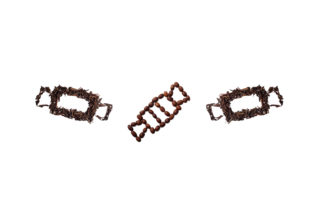
When you arrange these materials into Halloween themes—such as pumpkins, bats, skulls, or crescent moons—you are not just creating a shape; you are creating a mood. The roughness of the tea leaves contrasts with the smooth hardness of the coffee beans. This interplay adds visual interest without needing additional colors or complex graphics. For photographers and graphic designers, high-resolution images of these arrangements serve as versatile assets. They can be used as backgrounds for text, overlays for social media posts, or standalone artistic prints.
The use of a white background is crucial here. It isolates the subject, removing any distraction from the environment. This negative space is not empty; it is functional. It provides room for your messages, logos, or call-to-action buttons. Whether you are designing a holiday greeting card, a promotional email header, or an Instagram story, the clean backdrop ensures that your typography remains legible and impactful.
Creative Applications for Different Industries
The versatility of Tea and Coffee Halloween imagery allows it to cross industry boundaries. It is not limited to food and beverage brands, although they are the most obvious beneficiaries. Here is how different professionals can adapt this aesthetic for their specific goals:
- Cafés and Roasteries: For coffee shops, this is a direct reflection of their product. Using these images in seasonal promotions highlights the quality of their beans while tying into the holiday spirit. It suggests that their brand is part of the cozy, autumnal experience customers crave.
- Wellness and Yoga Studios: Tea is often associated with mindfulness and calm. A Halloween theme made from tea leaves softens the typically aggressive horror tropes. It creates a "gentle Halloween" vibe, perfect for promoting relaxation workshops or herbal tea blends during the stressful holiday season.
- Educators and Publishers: Teachers looking for classroom decorations or educational materials can use these images to discuss botany, agriculture, or cultural traditions around tea and coffee. The organic nature of the shapes makes them suitable for younger audiences who might be frightened by traditional spooky imagery.
- Interior Designers and Bloggers: Lifestyle bloggers can use these high-res JPGs to illustrate articles about sustainable decorating or DIY centerpieces. The images serve as inspiration for readers who want to create their own tablescapes using pantry staples.
Practical Tips for Implementation
If you are planning to create your own arrangements or utilize existing stock photography of Tea and Coffee Halloween themes, keep these practical considerations in mind to ensure professional results.
Lighting and Contrast
Because coffee beans and tea leaves are dark, lighting is critical. Flat lighting can make the textures look muddy. Instead, use side lighting to cast subtle shadows that highlight the individual shapes of the beans and the crinkle of the leaves. This adds three-dimensionality to the image. If you are editing photos, increase the clarity and texture sliders slightly to enhance the organic details without making the image look overly processed.
Composition and Balance
When shaping these materials into icons like ghosts or jack-o'-lanterns, pay attention to density. A shape that is too sparse may look accidental rather than intentional. Conversely, a shape that is too dense may lose its definition. Aim for a balance where the outline is clear, but the internal texture remains visible. Leave ample white space around the shape to allow for text overlay. This is particularly important for social media graphics, where cluttered designs often fail to engage users scrolling quickly.
Consistency in Branding
If you are using this aesthetic across multiple platforms, maintain consistency. Use the same style of arrangement, similar lighting conditions, and consistent color grading. This helps build a recognizable visual identity. For example, if your brand voice is minimalist, keep the shapes simple and the background purely white. If your brand is more rustic, you might allow for slight imperfections in the arrangement to emphasize the handmade feel.
Enhancing Audience Engagement
Content that feels handmade often generates higher engagement because it feels personal. In a digital world filled with AI-generated art and generic stock photos, images of real dried leaves and roasted beans signal human effort. This aligns with the E-E-A-T principles (Experience, Expertise, Authoritativeness, and Trustworthiness) by demonstrating real-world application and tangible creativity.
To maximize this effect, pair these visuals with copy that emphasizes warmth and community. Instead of focusing on fear or shock value, focus on gathering, sharing, and comfort. Phrases like "Brewing up some spooky fun" or "Steeped in Halloween spirit" connect the visual medium with the verbal message seamlessly. This approach appeals to adults aged 20–50 who are often looking for ways to celebrate holidays in a manner that fits their mature, refined tastes.
Technical Considerations for Digital Use
When sourcing or creating these images, ensure you have access to high-resolution files. A standard web resolution may not suffice if you plan to print materials such as flyers, posters, or packaging inserts. HighRes JPGs provide the necessary detail to show the texture of the coffee beans and the delicate structure of the tea leaves. Compression artifacts can ruin the subtle gradients in the brown tones, so always prioritize quality over file size for master copies.
Furthermore, consider the aspect ratio. Square formats work well for Instagram and Facebook posts, while landscape orientations are better for website headers and email banners. Having a library of these images in various crops allows for flexible deployment across different marketing channels without losing the integrity of the design.
In conclusion, Tea and Coffee Halloween offers a refreshing alternative to traditional holiday aesthetics. It bridges the gap between seasonal celebration and everyday elegance. By leveraging the natural beauty of dried tea leaves and roasted coffee beans, creators can produce content that is both visually striking and emotionally resonant. Whether you are designing a campaign, decorating a space, or simply seeking inspiration, this organic approach provides a grounded, sophisticated pathway to creative expression.